Entdecken Sie das Fergana-Tal: echte Seide, Keramik und lokale Kultur ohne Touristenmassen.
Letzte Aktualisierung: Januar 2026
Während Touristen nach Samarkand und Buchara strömen, verpassen sie Usbekistans bestgehütetes Geheimnis: das Fergana-Tal.
Was macht das Fergana-Tal besonders?
1. Seide (Margilan)
- Yodgorlik Seidenfabrik
- Traditionelle Ikat-Weberei
2. Keramik (Rishtan)
Die blaue Keramik kommt aus Rishtan.
Anreise
| Option | Dauer | Preis |
|---|---|---|
| Privattransfer | 4-5 Stunden | $100-150 |
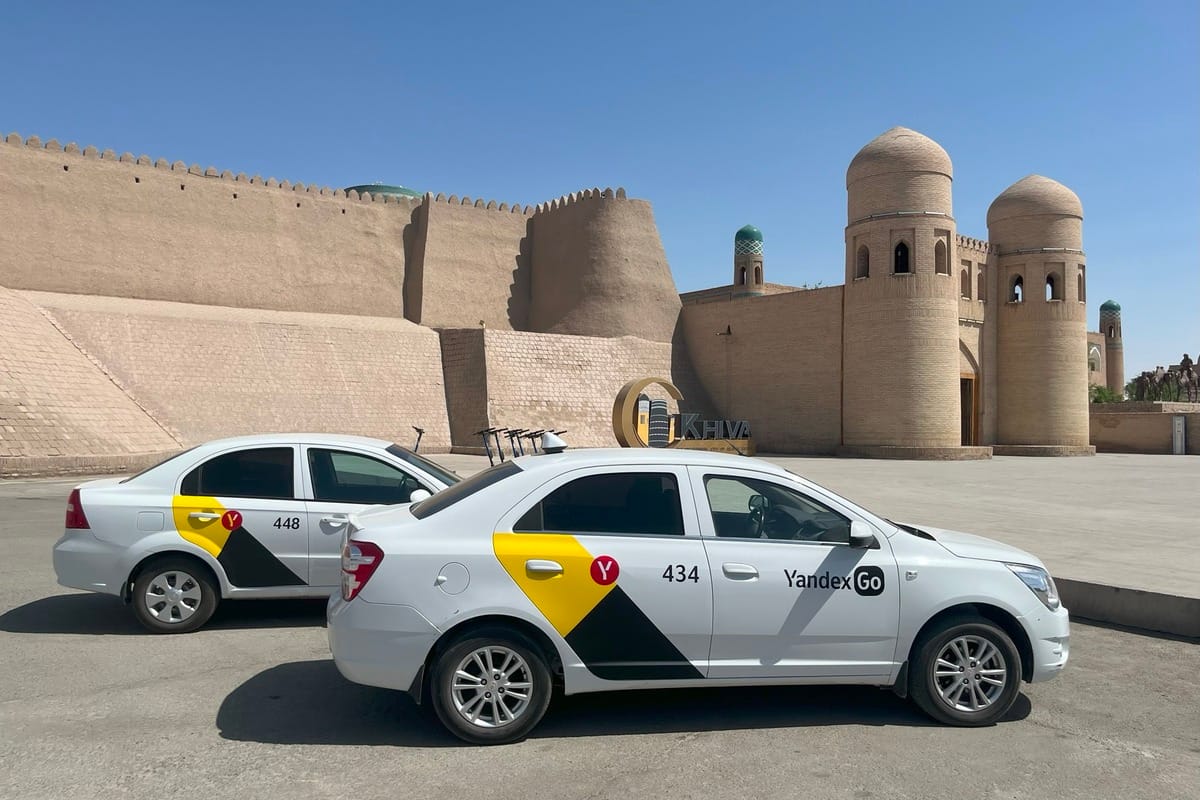
| Sammeltaxi | 4-5 Stunden | $15-20/Person |
[[CTA-GUIDE city="Tashkent"]]
Häufig gestellte Fragen
How far is Fergana Valley from Tashkent, and how long does it take to get there?
About 320 km by road, taking roughly 4 to 4.5 hours by private car via the Kamchik Pass. A direct flight takes about 55 minutes, while a public bus can take 6 hours or more.
Is Fergana Valley safe to visit?
Yes — it's just as safe as anywhere else in Uzbekistan, and local hospitality is genuinely exceptional. The main practical consideration is the Kamchik Pass road, which can close temporarily in winter due to avalanche risk.
What is the Kamchik Pass, and is there a tunnel through it?
The Kamchik Pass is a 2,268-meter mountain crossing through the Qurama Mountains that the road from Tashkent to Fergana Valley goes directly over. There's a separate rail tunnel nearby (opened 2016) for trains only — cars still travel over the pass itself, not through a tunnel.
Can the road to Fergana Valley be closed?
Yes, occasionally. The Kamchik Pass is prone to winter avalanche risk and can close temporarily after heavy snow. If traveling between November and March, it's worth building some flexibility into your schedule.
What is Margilan famous for?
Margilan is the historic silk-weaving capital of Central Asia. Its Yodgorlik Silk Factory, operating since 1972, produces traditional ikat-patterned silk fabrics (adras, shokhi, and atlas) using entirely hand-based methods you can watch in person.
Why are Rishtan's ceramics blue?
Rishtan sits on a deposit of a specific reddish clay found nowhere else in Uzbekistan, and its potters have worked with a distinctive blue glaze for at least 800 years. The same tradition produced the glazed tiles on Kokand's Khudayar Khan Palace.
Is 2-3 days enough time for Fergana Valley?
Yes, 2-3 days comfortably covers the highlights — Margilan's silk factory, Rishtan's ceramic workshops, Kokand's Khudayar Khan Palace, and Chust's knife-making — as long as you have a car for the whole trip, since these towns are spread across the valley and aren't well connected by public transport on a tourist timeline.
Should I fly or drive to Fergana Valley?
Flying is faster (about 55 minutes) but only gets you to Fergana city itself. Driving takes 4-4.5 hours but means the same car and driver can then take you on to Rishtan, Kokand, and Chust — genuinely useful given how spread out the valley's sights are.
What's the best time of year to visit Fergana Valley?
Spring (April-May) and fall (September-October) offer the best weather and are still very uncrowded. Summer is workable but hot enough that outdoor visits are best done in the morning. Winter workshops stay open, but plan around possible Kamchik Pass closures.
Where should I stay in Fergana Valley?
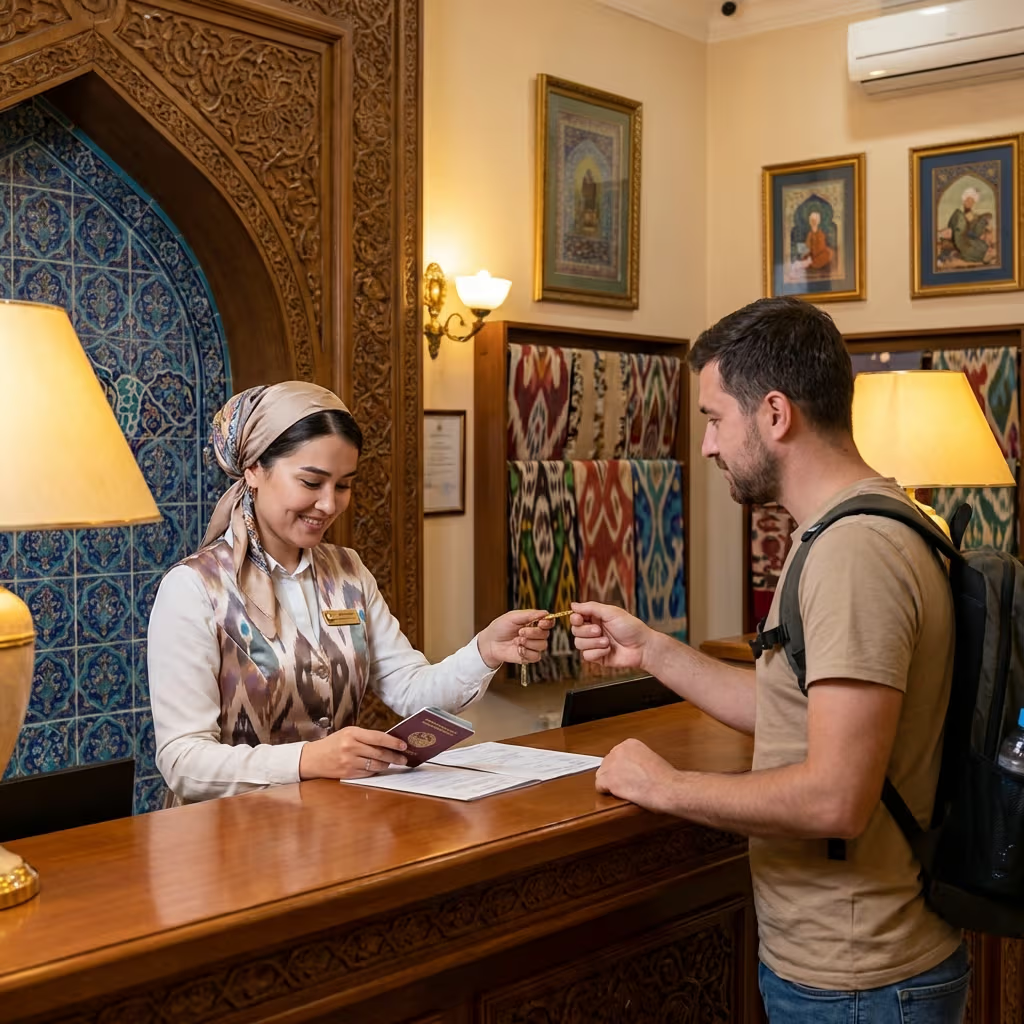
Fergana city has the widest range of hotels, generally $25-70 a night depending on standard, and is well positioned for day trips to Margilan, Rishtan, and Kokand — all under an hour away. Margilan and Kokand have a more limited selection of basic local hotels if you'd rather stay closer to the workshops.
Can I visit Shakhimardan (the Blue Lake) as part of a Fergana Valley trip?
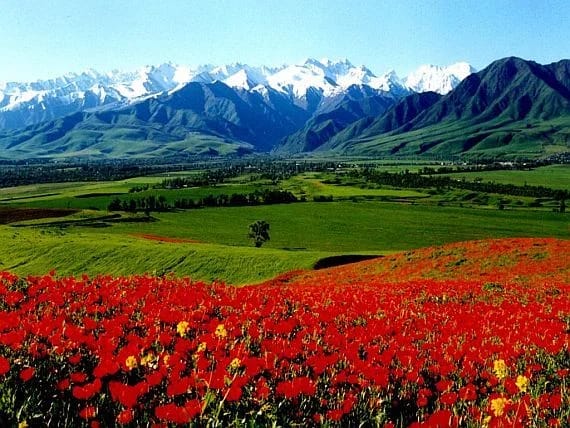
It's possible, but it's technically an Uzbek exclave entirely surrounded by Kyrgyzstan, so visiting requires valid multi-entry visas for both countries and entry isn't always guaranteed. It's not a simple add-on for most standard itineraries — the valley's own foothill villages offer similar scenery without the border complexity.