Hızlı cevaplar
Why is the Savitsky Museum called the Louvre of the desert?
Because it holds one of the largest collections of Russian avant-garde art in the world, in a remote desert city, much of it saved from suppression by Igor Savitsky.
Who was Igor Savitsky?
A Russian painter and archaeologist who came to Karakalpakstan in the 1950s, helped found the museum in Nukus and collected avant-garde works that were being suppressed elsewhere.
How do I get from Khiva to Nukus?
A private car and driver is the most practical way, especially if you also want to see Mizdakhan and Chilpik Kala on the same day. The drive is long, so we start early.
How long does the Nukus day trip take?
It is a full day, with a lot of driving and three main stops. We confirm the start time and the plan when you book.
Bu sayfada
- 01Karakalpakstan: the part of Uzbekistan most visitors skip
- 02Igor Savitsky: the man who saved the art
- 03What you will see at the Savitsky Museum
- 04Mizdakhan: an ancient city of the dead
- 05Chilpik Kala: the Tower of Silence
- 06How the Nukus day trip from Khiva works
- 07How much time do you need at each stop?
- 08When is the best time to go?
- 09Practical tips for a smooth day
- 10How to combine Nukus with the rest of your trip
- 11How much does it cost?
There is a museum in the Uzbek desert that should not exist. It stands in Nukus, the capital of Karakalpakstan, a quiet city far from the Silk Road crowds, and it holds one of the most remarkable collections of twentieth-century art anywhere in the world. People call it the Louvre of the desert, and for once the nickname is fair.
The story of how those paintings got there is almost harder to believe than the paintings themselves. It involves a Russian artist and archaeologist, a ruthless political system that wanted certain kinds of art to disappear, and a remote corner of the Soviet Union that nobody was watching.
This guide covers the whole day trip from Khiva: the Savitsky Museum in Nukus, the ancient Mizdakhan necropolis near Khojayli, and the Chilpik Kala Tower of Silence. You will learn the history, what to expect at each stop, how much time to allow, how to plan the day and what it costs. If you would rather just book, you can see the private Nukus day trip from Khiva right now.
Karakalpakstan: the part of Uzbekistan most visitors skip
Karakalpakstan is a vast autonomous republic in the north-west of Uzbekistan, covering about a third of the country's territory. Its name means “land of the black hats”, and its people, the Karakalpaks, speak a Turkic language and have a rich tradition of epic poetry, embroidery, jewellery and yurt-making.
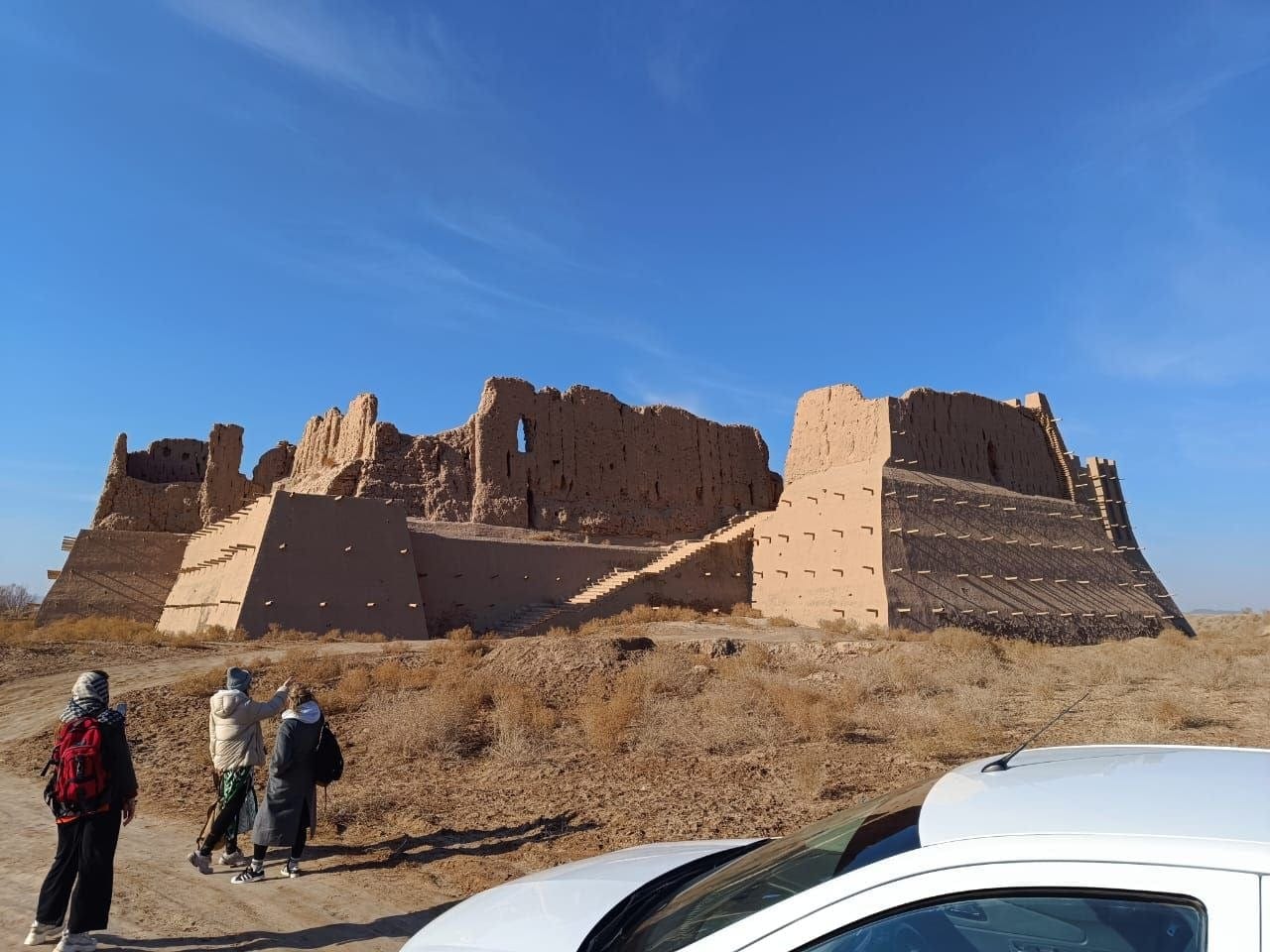
It is also a landscape of extremes: the Kyzylkum desert, the delta of the Amu Darya, the Ustyurt plateau and, at its northern edge, what remains of the Aral Sea. Most travellers know only the glamorous cities of Samarkand, Bukhara and Khiva, so Karakalpakstan feels like a different country: emptier, quieter, harsher and in many ways more surprising.
Nukus, the regional capital, is the gateway. It is a modern, spread-out city with wide streets, and it is the base for the museum, the nearby ancient sites and the journey on to Moynaq and the Aral Sea. If you are already in Khiva, Nukus is one of the most rewarding day trips you can make.
Igor Savitsky: the man who saved the art
The museum exists because of one person. Igor Vitalyevich Savitsky (1915–1984) was a Russian painter and archaeologist who first came to Karakalpakstan in the late 1950s as part of the great Khorezm archaeological expedition. He fell in love with the region, collected folk art, carpets, jewellery and antiquities from the Karakalpak villages, and in 1966 helped found the museum in Nukus.
Then he began to collect something else. Under Stalin and in the decades after, many artists whose work did not fit official Soviet style, the experimental painters of the Russian avant-garde and their followers, were criticised, silenced or arrested, and their paintings were hidden away or destroyed. Savitsky quietly sought out these works. He visited the families of artists who had disappeared, bought paintings for small sums, and brought them back to Nukus, where he stored them in the museum and described them in the official records as ordinary regional art.
Because Nukus was so remote, and because the authorities did not think to look there, the collection survived. By the time of Savitsky's death, it contained tens of thousands of items, including many works that are rare or exist nowhere else. The story of his determination was told in the documentary The Desert of Forbidden Art, and it is one of the great tales of cultural rescue of the last century.
Want to go straight to the trip?
Private Nukus day trip from Khiva. Sedan from $100, minivan from $170 for the whole car.
What you will see at the Savitsky Museum
The museum is formally the State Museum of Arts of the Republic of Karakalpakstan named after I. V. Savitsky. Today it houses one of the largest collections of Russian avant-garde art in the world, alongside very different things from the same region. Plan to see:
- The avant-garde and Turkestan avant-garde paintings. Bold colour, strange perspectives and a restless energy. Many of the artists worked in Central Asia, and their work reflects the light and landscapes of Uzbekistan as much as the ideas of Moscow.
- Karakalpak folk art. Embroidery, jewellery, felt and carpets, showing the traditions that Savitsky first set out to preserve.
- Archaeology. Objects from Khorezm, connected to the ancient fortresses and cities of the region. If you like the desert ruins, see our guide to the Khorezm desert fortresses.
Two practical tips. First, museums change their opening days and hours, so ask us to confirm before you travel. Second, photography rules inside can change, so ask at the entrance before you take pictures.
Give the museum time. Art lovers can happily spend several hours, and even visitors who do not usually go to galleries often leave amazed.
Mizdakhan: an ancient city of the dead
On the way to Nukus, near the town of Khojayli, a hill rises above the plain covered with domes, walls and thousands of graves. This is Mizdakhan, one of the oldest and most atmospheric necropolises in Central Asia, in use for roughly two thousand years.
What makes it special:
- Layers of history. Ancient fortress remains, medieval mausoleums with domes and later graves, all on one hill. People of different faiths and eras have been buried here.
- Legends everywhere. The site is full of local stories about saints, kings and miracles, which your driver or a guide can retell.
- The mood. Walking among the domes with the wind blowing and the plain stretching to the horizon, it feels like a different world.
The visit is on foot, on uneven ground, so wear comfortable shoes. Mizdakhan is also an active place of pilgrimage for local people, so dress modestly and behave respectfully.
Chilpik Kala: the Tower of Silence
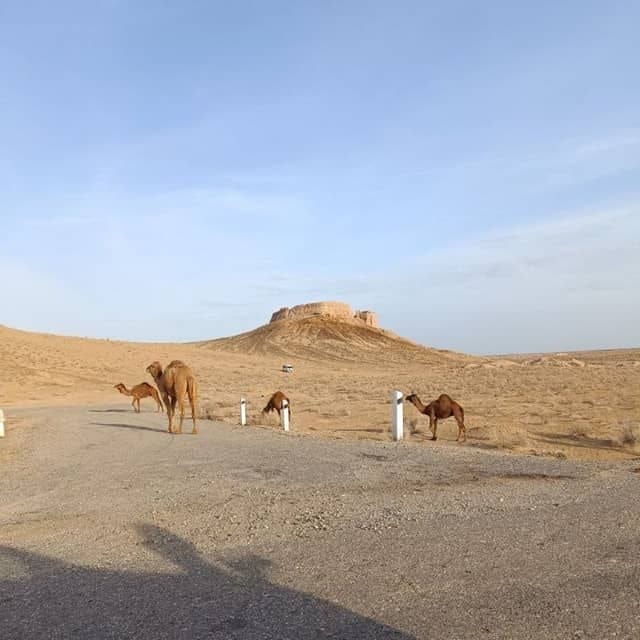
Chilpik Kala is a round mud-brick structure on a hill above the desert plain, one of the best-known Zoroastrian towers of silence in the region. In the old Zoroastrian tradition, the dead were laid out in such a tower so that the elements, rather than the earth, could receive them.
The tower is circular and surprisingly well preserved from a distance, and from the top you look out over the plain to a very long horizon. A short, steady climb leads up to it. It is a striking contrast with the art of Nukus: a monument from the ancient, pre-Islamic religion of the region, standing alone in the desert.
Bring a hat and water in warm weather, as there is no shade on the hill.
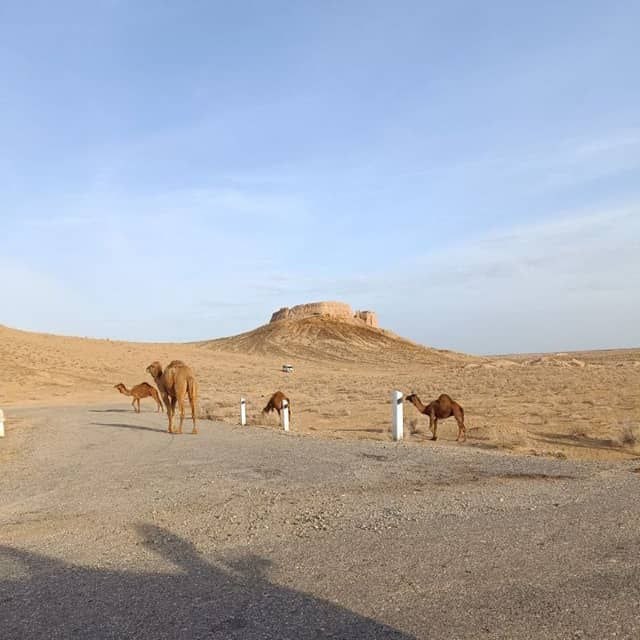
Savitsky Museum, Mizdakhan & Chilpik Kala in one day
Your own car and driver, flexible timing and hotel pick-up. The driver waits at every stop.
- ✓Sedan from $100, minivan from $170 for the whole car
- ✓Hotel pick-up and drop-off in Khiva
- ✓Add an English-speaking guide on request
How the Nukus day trip from Khiva works
Nukus is a long drive from Khiva, so the day starts early. A typical plan looks like this:
- Early pick-up at your hotel in Khiva. We usually leave in the early morning to give you plenty of time at each stop.
- Chilpik Kala in the morning. Climb the round tower while the light is soft and the temperature is comfortable.
- Mizdakhan necropolis in the late morning. Walk among the domes and stories on the hill near Khojayli.
- Lunch. A simple meal on the way. Lunch is not included in the price.
- The Savitsky Museum in the afternoon. A few unhurried hours with the collection, after the drive into Nukus.
- The drive back to Khiva in the evening, and drop-off at your hotel.
The order and the timing can be adjusted, and we confirm the plan when you book. The trip is driver-led: your driver knows the roads, waits at each stop and can recommend a good place for lunch. If you want the history of the museum or the necropolis explained in English, ask us to add a guide.
How much time do you need at each stop?
As a rough guide, and always depending on your interests:
- Chilpik Kala: about an hour including the climb and photos.
- Mizdakhan: about an hour to an hour and a half. More if you like to wander or want the stories.
- Savitsky Museum: at least two hours, and longer if you love art. This is the highlight of the day, so protect that time.
If you are short of time, tell us what matters most. For example, art lovers can ask for more time at the museum, and history lovers can ask us to prioritise the ancient sites.
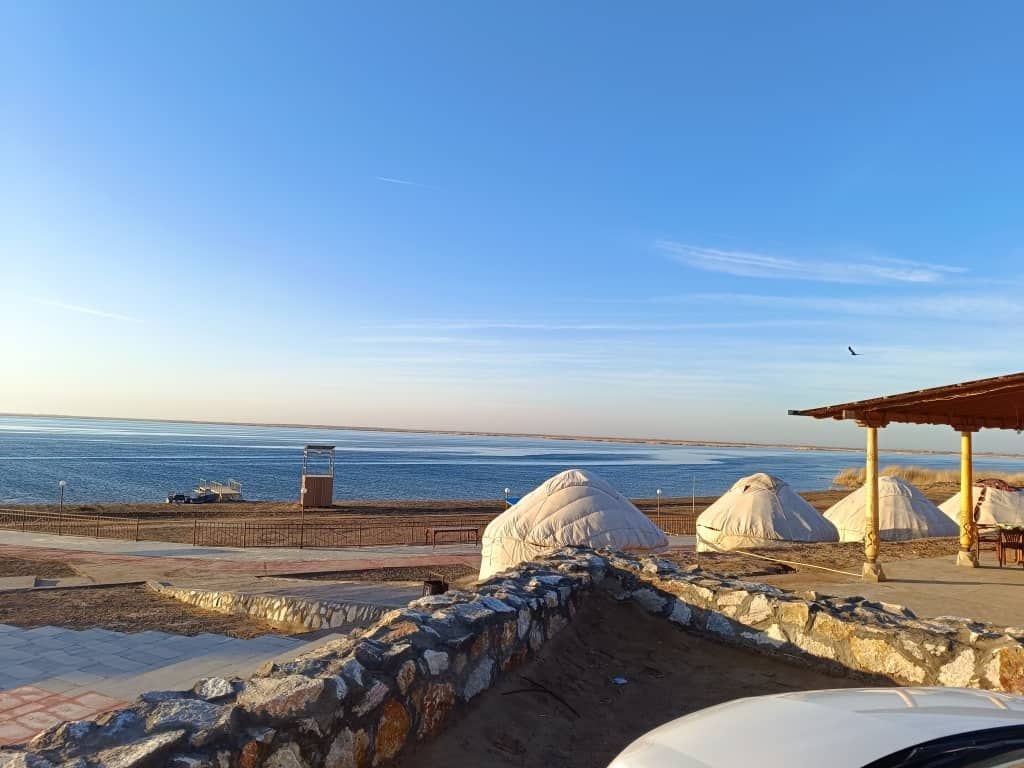
Hive'den yurt kampında geceleme dahil özel 2 günlük Aral Gölü turu
Çölde paslanan gemiler, Ustyurt platosunda kanyonlar ve kaybolan denizin kıyısında bir yurtta bir gece — kendi aracınız ve 4×4'ünüzle.
When is the best time to go?
The museum is indoors, which makes this a good trip in any season, including the heat of summer and the cold of winter. The outdoor stops are the ones that change:
- Spring and autumn are the most comfortable for the necropolis and the tower.
- Summer is very hot. Start early, take water, and use the museum as your cool refuge in the afternoon.
- Winter is cold and the days are short. Dress warmly for the hilltop sites, and enjoy the quiet.
Because museum opening days can vary, always tell us your date early so that we can check before you travel.
Practical tips for a smooth day
- Wear comfortable walking shoes. You will climb hills and walk on uneven ground.
- Bring water, a hat and sun protection for Chilpik Kala and Mizdakhan.
- Carry some cash. Entrance tickets and lunch are paid on the spot.
- Dress modestly at Mizdakhan, which is a place of pilgrimage. Cover your shoulders and knees.
- Charge your phone. You will take many photographs and the day is long.
- Ask about photography at the museum entrance before you take pictures inside.
- Do not rush the museum. It is the reason for the trip.
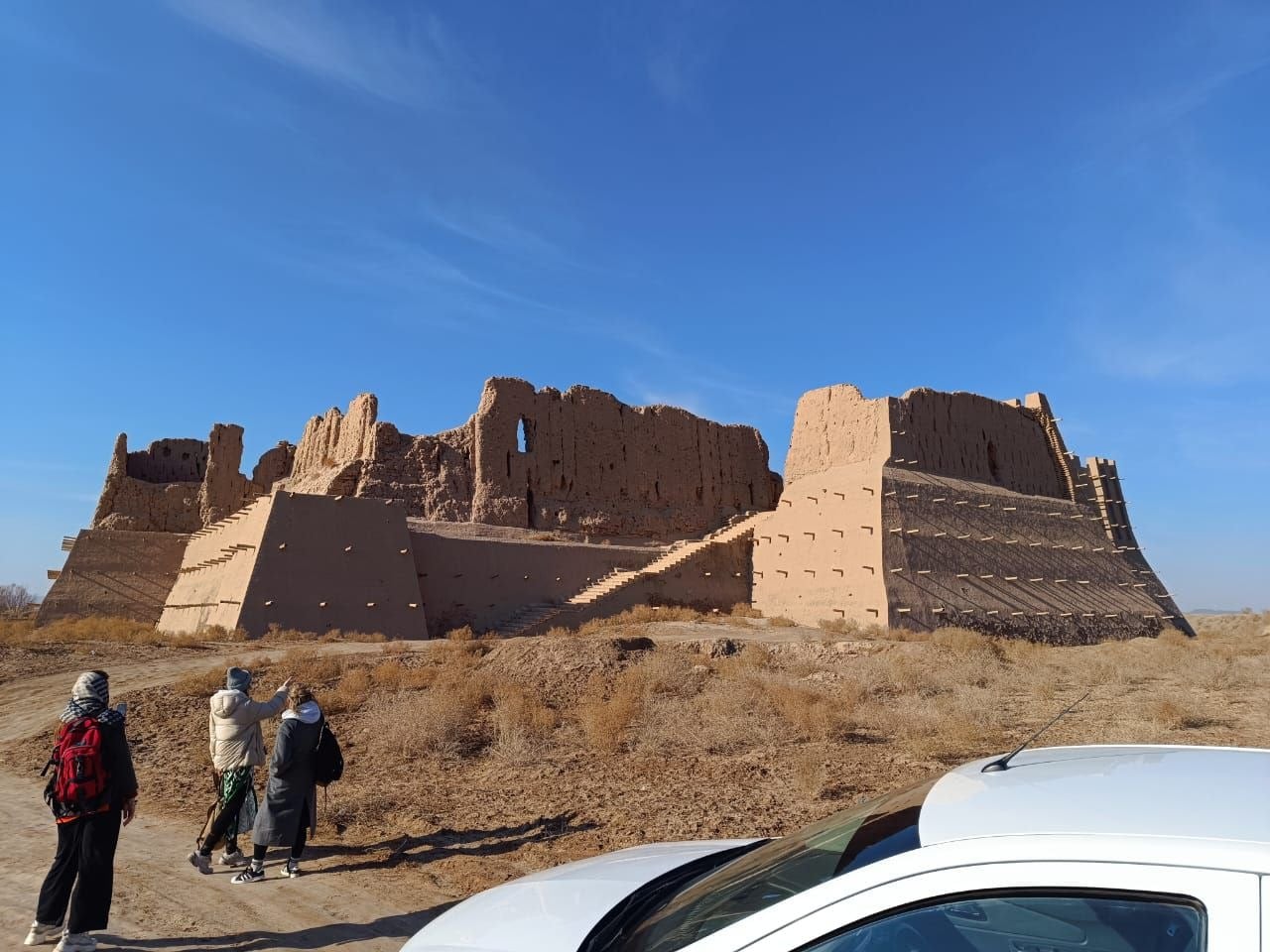 More of the desert
See the ancient desert fortresses of Khorezm
Ayaz Kala, Toprak Kala and Kyzyl Kala: three fortresses rising from the sand, in one private day trip from Khiva.
- ✓Private car and driver
- ✓Sedan from $80, minivan from $120
- ✓Hotel pick-up in Khiva
How to combine Nukus with the rest of your trip
Nukus fits naturally into a longer journey through Karakalpakstan:
- With the desert fortresses. Combine this trip with a second day among the ancient Khorezm ruins. See the Ayaz Kala, Toprak Kala and Kyzyl Kala guide or the fortresses day trip.
- With the Aral Sea. Nukus is on the way to Moynaq and the shore. The 2-day Aral Sea tour includes Nukus, the museum, the necropolis and a night in a yurt. Read the Moynaq ship graveyard guide too.
- As a transfer. If you are travelling between Khiva and Nukus and want a comfortable ride, see our Khiva to Nukus transfer guide and transfer prices.
How much does it cost?
The Nukus day trip is priced per vehicle, so the price per person drops as your group grows:
- Sedan (1 to 3 people): $100 for the whole car
- Minivan (4 to 7 people): $170 for the whole car
The price includes a private car with driver for the whole day, fuel, and hotel pick-up and drop-off in Khiva.
Not included (paid on the spot): museum and site entrance tickets, lunch and drinks, tips, and a guide if you want one.
For a full minivan, the trip works out to roughly the price of a simple lunch per person on top of the entrance fees. Check the date and book here.
Ready to go?
from $100 per car
Book your Nukus day trip
Private, flexible and priced per car. Tell us your date and group size and we confirm quickly.
Sıkça Sorulan Sorular
Why is the Savitsky Museum called the Louvre of the desert?
Because it holds one of the largest collections of Russian avant-garde art in the world, in a remote desert city, much of it saved from suppression by Igor Savitsky.
Who was Igor Savitsky?
A Russian painter and archaeologist who came to Karakalpakstan in the 1950s, helped found the museum in Nukus and collected avant-garde works that were being suppressed elsewhere.
How do I get from Khiva to Nukus?
A private car and driver is the most practical way, especially if you also want to see Mizdakhan and Chilpik Kala on the same day. The drive is long, so we start early.
How long does the Nukus day trip take?
It is a full day, with a lot of driving and three main stops. We confirm the start time and the plan when you book.
How much time should I allow at the museum?
At least two hours. Art lovers will want longer, and we leave room in the schedule for that.
What is Mizdakhan?
An ancient necropolis near Khojayli, in use for roughly two thousand years, with domed mausoleums, old graves and many local legends.
What is Chilpik Kala?
A round mud-brick Zoroastrian tower of silence on a hill, with wide views over the desert plain.
How much does the Nukus day trip cost?
A sedan for up to 3 people costs $100 and a minivan for up to 7 people costs $170. The price is for the whole vehicle. Tickets and lunch are paid on the spot.
Is the museum open every day?
Opening days and hours can change, so give us your date early and we will check before you travel.
Can I take photos in the museum?
Rules can change, so ask at the entrance before taking pictures.
Can I include Nukus in the Aral Sea tour?
Yes. The 2-day Aral Sea tour from Khiva includes Nukus, the museum and the necropolis on day 2, together with Moynaq, the shore and a night in a yurt.
Yazan
TourFixer Team
Uzbekistan Travel Experts